Waterproof Tactical Vest Dog Harness: Fit, Control & Care
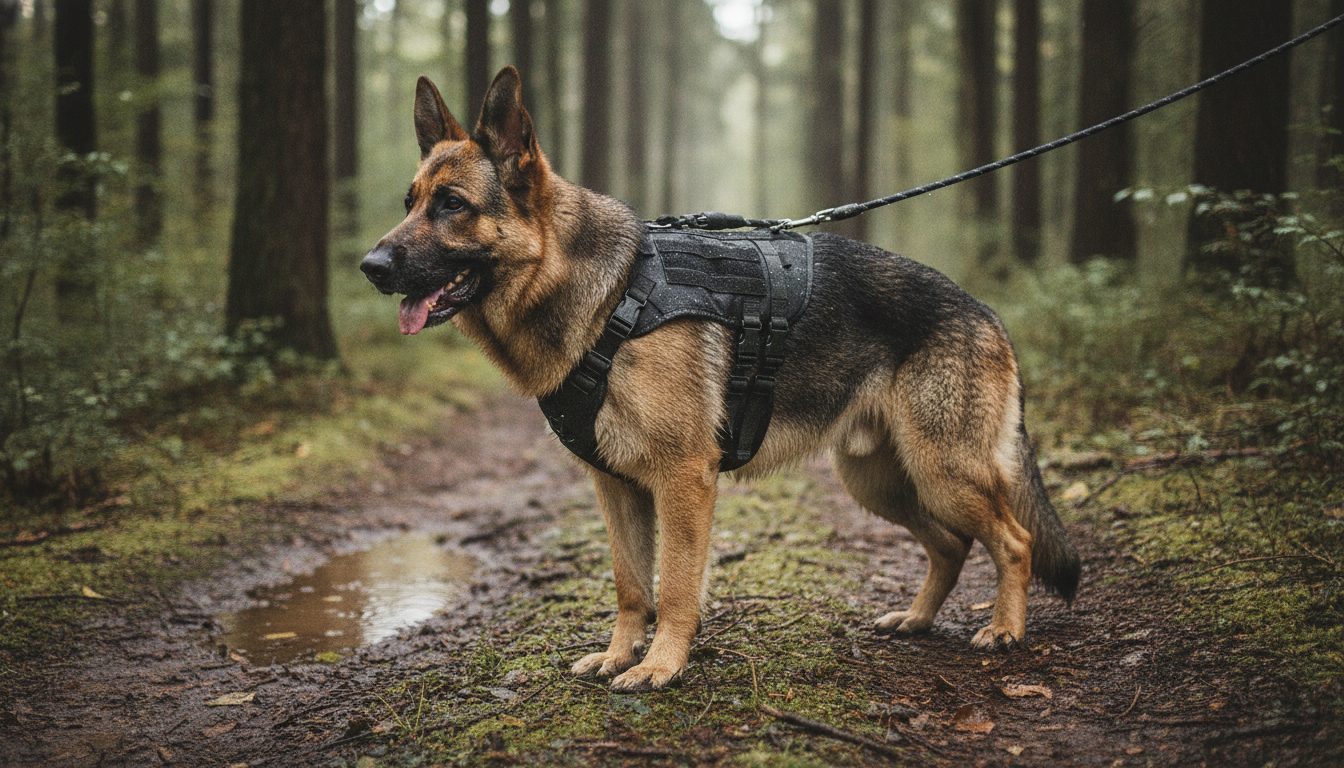
Waterproof Tactical Dog Harness with Adjustable Vest Design: Steady Control for Rain, Mud, and Training Days
Built for wet weather walks, trail days, and busy training sessions, a waterproof vest-style harness helps keep control steady while staying comfortable for the dog. The vest-style build adds structure across the chest and torso, while adjustable straps help keep the fit secure as your dog moves, pulls, pivots, and climbs. Below is a practical guide to how an adjustable vest design works, what details matter most in damp conditions, and how to fit, use, and care for a waterproof tactical harness so it performs reliably from neighborhood sidewalks to slippery trails.
What a waterproof vest-style tactical harness is designed to do
A vest-style tactical harness is built around stability and handling, especially when conditions make footing unpredictable. Instead of concentrating force at the neck, the broader panel design helps spread pressure more evenly across the chest and torso, which many dogs find more comfortable during controlled walking and training.
- Distribute pressure across the chest and torso rather than concentrating it at the neck.
- Provide a stable platform for handling, training, and controlled movement in crowded or slippery environments.
- Add coverage and structure that can reduce shifting compared with thin strap-only harnesses.
- Help resist soaking and muddy buildup during rain, shoreline walks, and damp grass conditions.
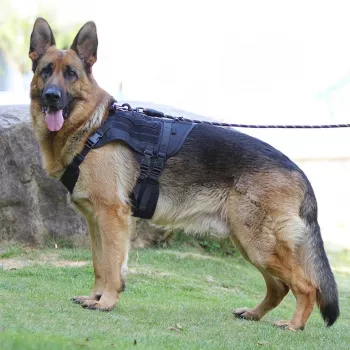
If you’re shopping for a wet-weather-ready option, the Waterproof Tactical Dog Harness with Adjustable Vest Design is a straightforward example of this “vest + adjustability” approach, designed for day-to-day control with extra structure for demanding outings.
Key features that matter in wet conditions
Rain and mud quickly reveal whether a harness is built for real use or just looks rugged. In wet conditions, focus on how the harness handles water, how easily you can fasten it, and whether the hardware and stitching can keep up with repeated pulls.
- Water-resistant outer layer: Helps shed light rain and splashes so the harness stays lighter on the dog and doesn’t feel waterlogged.
- Secure buckle and strap system: Should remain easy to fasten even when hands are cold or you’re wearing gloves.
- Multi-point adjustability: Look for adjustment at the neck/chest area and the girth to reduce shifting and prevent loosening after movement.
- Reinforced stitching in load zones: Especially around leash rings, handles, and high-tension seams to reduce fatigue over time.
- Useful attachment points: Multiple leash options can support different handling styles (standard walks vs. structured training), if available.
For training fundamentals and safe walking habits, reputable guidance from the American Kennel Club (AKC) and safety tips from the ASPCA can help you pair better technique with better gear.
Getting the fit right: measuring and adjusting
Fit is the difference between “secure and comfortable” and “rubs and slides.” Start with chest girth, then fine-tune so the vest sits centered and stays put when your dog turns.
- Measure chest girth at the widest part of the ribcage; keep the tape snug but not tight.
- Leave enough room to fit two fingers under the harness at the chest and along the sides.
- Center the vest so it sits balanced on the dog’s body without twisting toward one shoulder.
- After the first walk, re-check strap tension—new harnesses can settle slightly once warmed and flexed.
- Watch for rubbing behind the front legs; minor strap adjustments often solve it quickly.
Quick sizing reference (use chest girth as the primary measurement)
| Suggested size | Chest girth range | Typical dog weight range | Adjustment check |
|---|---|---|---|
| Small | 14–20 in (36–51 cm) | 15–30 lb (7–14 kg) | Two-finger space at chest and girth; no armpit rubbing |
| Medium | 20–26 in (51–66 cm) | 30–55 lb (14–25 kg) | Vest centered; straps don’t loosen after 10 minutes walking |
| Large | 26–34 in (66–86 cm) | 55–85 lb (25–39 kg) | No shoulder restriction when trotting; leash ring remains centered |
| X-Large | 34–42 in (86–107 cm) | 85–120 lb (39–54 kg) | Even pressure across chest; no shifting during turns |
Using the harness for control and training
A tactical vest harness can improve handling, but the leash skills still matter most. Aim for calm, consistent guidance rather than sudden corrections—especially on wet sidewalks where a surprise pull can throw off both dog and handler.
Comfort and safety checks during rainy-day outings
After a rainy walk, having a designated drying spot can help keep entryways cleaner. The Retro Linen Quick-Dry Bath Mat with Non-Slip Rubber Backing can be useful near the door for wiping paws and catching drips before the dog shakes off indoors.
Care and maintenance for waterproof materials
When a tactical vest harness is a great match (and when it isn’t)
FAQ
How tight should an adjustable vest-style dog harness be?
Aim for a secure fit that still allows two fingers between the harness and your dog. The vest should stay centered and not shift side-to-side during turns, and it shouldn’t rub behind the front legs.
Can a waterproof tactical harness be used in heavy rain or near water?
It can handle rain and splashes, but it isn’t a flotation device. After wet use, remove and dry the harness, and use a properly rated canine life jacket for swimming or boating.
How often should the harness be cleaned?
Rinse it after muddy or salty outings, and wash with mild soap when it starts to smell or feels gritty. Always air dry it completely before storing.










Leave a comment