Under-Pillow Bluetooth Vibration Speaker for Quiet Sleep
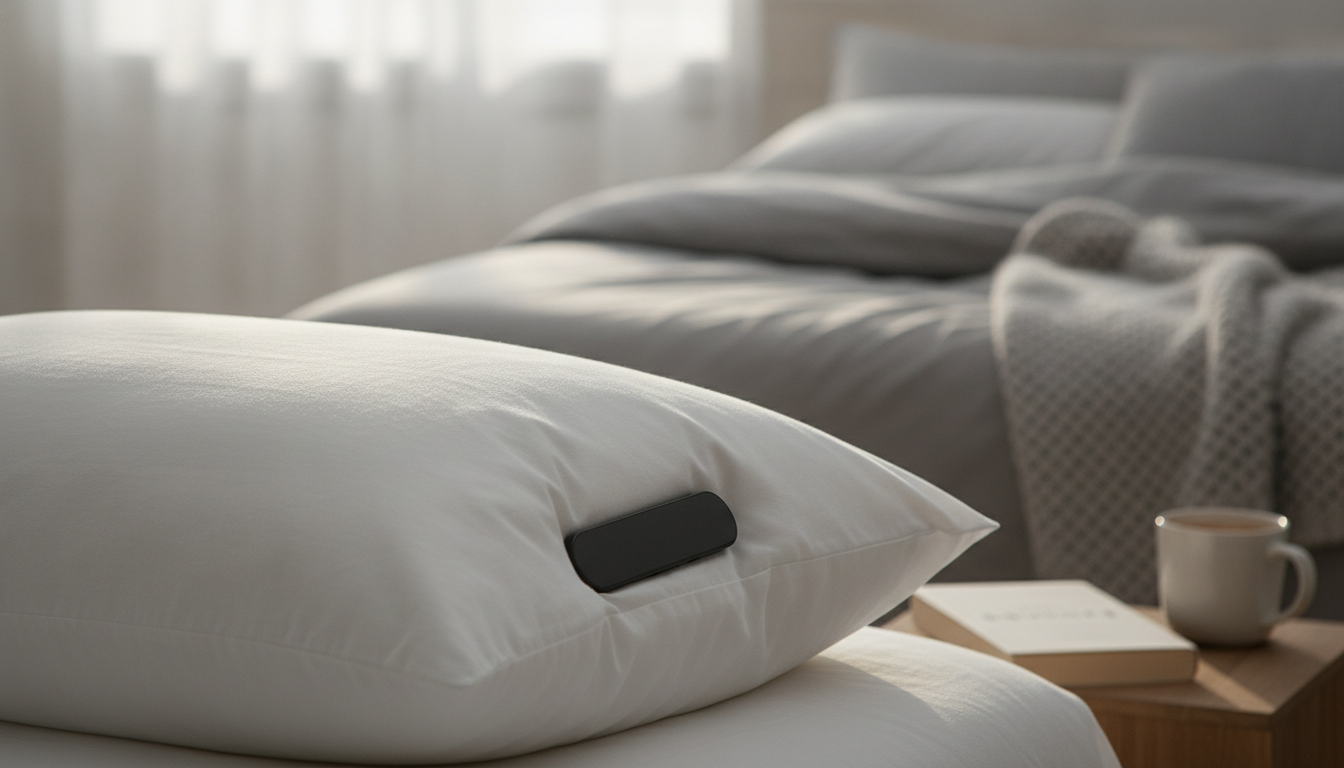
Under Pillow Wireless Bone Conduction Bluetooth Speaker: Private Audio for Bedtime and Quiet Spaces
A compact under-pillow speaker can deliver personal audio without filling the whole room. Using vibration-based (bone conduction-style) sound transfer through a pillow or mattress surface, it’s designed for late-night listening, guided sleep routines, and shared bedrooms where quieter playback matters.
What This Speaker Is and How It Works Under a Pillow
An under-pillow vibration speaker is made to sit beneath a pillow (or close to where your head rests) and send sound through surface vibration rather than projecting loudly into open air. Instead of “broadcasting” across the room like a traditional bedside speaker, it creates a more localized listening zone that tends to feel strongest right where you’re lying down.
Because it connects via Bluetooth, it pairs wirelessly with a phone or tablet for convenient listening from bed. That also means fewer cords near your pillow, which can make nighttime setups feel less cluttered.
Results can vary by bedding. Pillows and mattress surfaces that transfer vibration efficiently usually sound clearer. Very thick memory-foam pillows, dense toppers, or heavy layers can dampen the vibration and reduce both volume and intelligibility—especially for spoken audio like audiobooks.
Everyday Uses: Sleep, Study, and Shared Rooms
For many people, the biggest appeal is getting audio without a bright screen in hand or something pressed into the ear all night. Typical use cases include:
- Bedtime audio: white noise, ambient tracks, audiobooks, or low-volume music while keeping the room quieter overall.
- Guided routines: meditation or breathing sessions with less sound spill than a standard bedside speaker.
- Shared spaces: dorms, apartments, or family homes where quiet playback helps maintain peace.
- Comfort and accessibility: avoids in-ear pressure from earbuds and can feel easier than sleeping with headphones or a headband.
| Scenario | Why it helps | Practical tip |
|---|---|---|
| Sharing a bed | Audio feels closer to the listener than the room | Place near the edge closest to the listener’s head |
| Side sleeping | No earbud or headband pressure against the ear | Position slightly behind the pillow’s center to prevent shifting |
| Audiobooks at night | Speech can be intelligible at low volume | Choose a thicker pillowcase fabric if vibration feels too strong |
| Quiet studying | Personal audio without sealing ears | Keep phone within reach to adjust volume quickly |
Setup and Placement for Clearer Sound
Small changes in positioning can make a big difference, especially for clarity and how strong the vibration feels.
Bluetooth itself is designed for short-range wireless connections, which is why it’s commonly used for bedside listening and quick pairing with phones and tablets. For a plain-language overview, see Bluetooth SIG: What is Bluetooth?.
Comfort, Safety, and Considerations for Overnight Use
- Heat and airflow: Avoid burying electronics under heavy blankets. Placing the speaker under the pillow (not wrapped tightly) helps with airflow.
- Hearing health: “Localized” doesn’t automatically mean “safe at any level.” Keep audio at a comfortable volume and take breaks from extended listening. Helpful background is available from NIH (NIDCD): Noise-Induced Hearing Loss and CDC: Loud Noise Can Cause Hearing Loss.
- Sleep disruption: Content matters. Calm tracks, steady white noise, or a sleep timer can reduce the chance of being startled awake by a louder chapter or an unexpected playlist jump.
- Partner impact: It’s typically quieter than an open-air speaker, but faint sound leakage and vibration can still be noticeable in a very quiet room—especially if the device is centered between two sleepers.
- Care and moisture: Keep the device dry and away from spills. If there’s a chance of moisture (nightstand drinks, humidifier mist), using a protective pouch can help.
What to Look For Before Buying an Under-Pillow Speaker
Product Spotlight: Under Pillow Wireless Bone Conduction Bluetooth Speaker
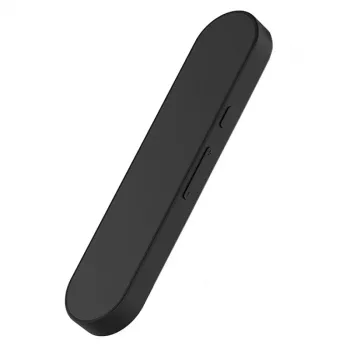
The Under Pillow Wireless Bone Conduction Bluetooth Speaker is a compact, wireless option built for close-proximity listening under a pillow or near a resting position. Bluetooth pairing supports easy connection to common audio sources like smartphones and tablets, making it well-suited for quieter personal listening routines in shared bedrooms, dorms, or apartments.
More in-stock picks to round out your space
- Vintage Embossed Glass Storage Jar with Airtight Seal – 23.7 oz for organizing small bedside essentials (earplugs, hair ties, chargers) neatly.
- Girls Winter Warm Jogger Pants with Elastic Waist for cozy lounging on cool evenings.
- Women’s Quick-Dry Yoga & Fitness Two-Piece Set with Shockproof Vest for daytime workouts that pair nicely with wind-down routines at night.
FAQ
Does an under-pillow speaker work through any pillow?
It works best with pillows that transmit vibration well. Very thick foam pillows or layered toppers can reduce volume and clarity, so experimenting with placement and keeping volume moderate usually helps.
Will it bother someone sleeping next to you?
It’s often less intrusive than a regular speaker, but some vibration and faint sound can still be noticeable. Keeping volume low and positioning it closer to the listener’s side can reduce disruption.
Is it safe to sleep with a speaker under a pillow?
Use common-sense precautions: don’t wrap it tightly in blankets, allow airflow to limit heat buildup, and keep volume comfortable. A sleep timer can also help avoid overnight playback that becomes disruptive.









Leave a comment