CO2 Mini Bike Inflator: Quick Flats, Smart Cartridge Use
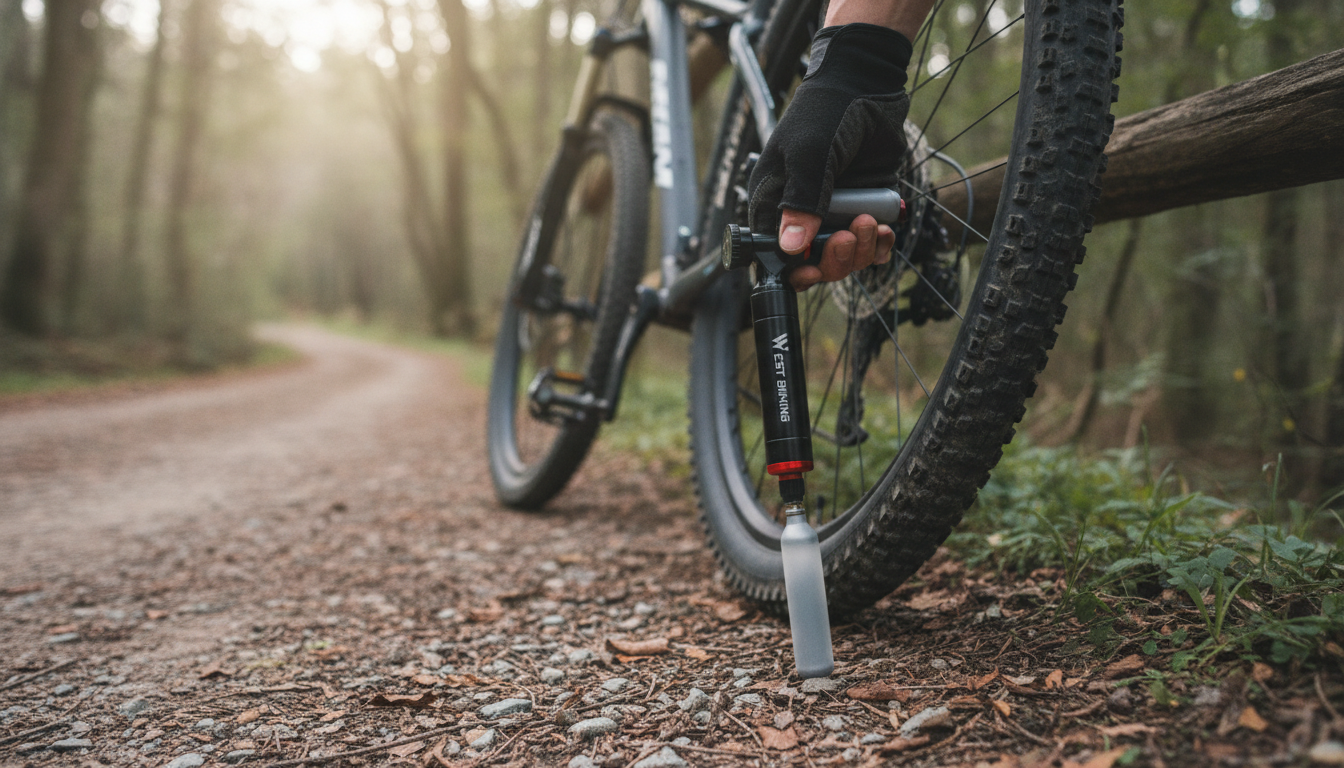
CO₂ Mini Bike Tire Inflator Pump for Fast, Compact Flat Fixes
A CO₂ mini inflator is built for the moments when speed and packability matter most: roadside punctures, time-crunched commutes, and event-day mishaps. This guide breaks down how a CO₂ mini bike tire inflator pump works, what to look for in real-world use, and how to get reliable pressure without wasting cartridges or risking a damaged valve. For more guidance, see Review: Cycplus AS2, AS2 Pro and AS2 Pro Max mini e-pumps.
What a CO₂ Mini Inflator Does (and What It Doesn’t)
A CO₂ mini inflator uses a small, sealed cartridge of compressed carbon dioxide to deliver a fast blast of gas into your tire—often enough to get rolling again in seconds. That speed is the main advantage: it’s hard to beat when you’re on the shoulder of a road, hands cold, and daylight fading. For further reading, see Rechargeable Tire Pump: CYCPLUS AS2 Pro Max Review.
It’s also worth being clear about the limits. CO₂ is best for emergency inflation on the road, not as the only tool for everyday pressure maintenance. CO₂ molecules tend to diffuse through tubes faster than regular air, so tires can lose pressure sooner—sometimes later the same day or the next. After you’re safely home, a quick check with a standard pump is a smart habit.
Where CO₂ shines is minimal bulk: many inflators and a cartridge or two fit easily in a jersey pocket or saddle bag, making them a practical “get back moving” option after a tube swap or a tubeless plug.
CO₂ vs Mini Hand Pump vs Frame Pump
Choosing an inflation method is mostly about trade-offs: speed versus effort versus reliability over long distances. Many riders end up carrying CO₂ for emergencies and a small pump for rides that are remote, long, or unpredictable.
| Option | Best for | Trade-offs |
|---|---|---|
| CO₂ mini inflator | Race-day flats, fast roadside fixes | Cartridges needed; pressure can be easy to overshoot |
| Mini hand pump | Touring, gravel adventures, everyday top-offs | Slower; may struggle to reach high PSI quickly |
| Frame pump | Long-distance reliability | Bulky; mounting and fit can be inconvenient |
If you’re learning tire removal and installation basics, Park Tool’s step-by-step repair help is a solid reference: Tire and Tube Removal and Installation.
Key Features That Matter on the Road
- Valve compatibility: Ensure support for Presta, Schrader, or an included adapter. If you ride multiple bikes, a dual-compatible head reduces surprises. For a quick refresher on the differences, see Sheldon Brown’s valve guide.
- Flow control: A controlled release (rather than an all-at-once blast) helps prevent wasted cartridges, reduces the chance of blowing a bead, and makes it easier to stop at a “good enough” pressure.
- Head design and sealing: A secure connection matters because the inflation happens in a short, high-flow burst. A slight leak can waste most of a cartridge before the tire firms up.
- Build and portability: Look for a compact body with durable materials that won’t get chewed up in a tool roll, saddle bag, or jersey pocket.
- Cartridge fit: Confirm the inflator matches common threaded cartridge standards and that it accepts sizes you plan to carry.
How to Use a CO₂ Mini Inflator Without Wasting a Cartridge
Safety and Common Mistakes to Avoid
Spotlight: CO₂ Mini Bike Tire Inflator Pump
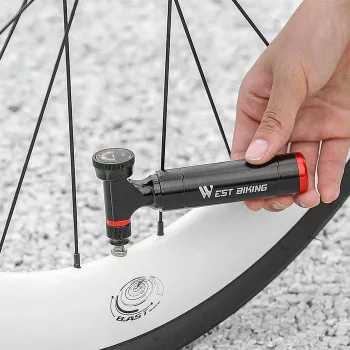
If the priority is a compact inflator that’s easy to pack and quick to deploy, the CO₂ Mini Bike Tire Inflator Pump is a practical option to keep in a saddle bag or commute pack. It’s designed for fast roadside inflation and works well as a backup method when stopping to hand-pump would be slow or inconvenient.
For small-item organization—like keeping cartridges, valve adapters, patches, or a multi-tool together—an airtight container can help prevent corrosion and keep threads protected. The Vintage Embossed Glass Storage Jar with Airtight Seal – 23.7 oz works well for home storage so your ride kit is ready to grab.
Cartridge Tips: Choosing Size and Packing Smart
FAQ
Will a CO₂ inflator work with Presta and Schrader valves?
It depends on the inflator head design—some work with both, while others need an adapter. Presta valves are slimmer and use a small locknut at the tip; Schrader valves are wider like car tires, and either type needs a tight, straight seal during the brief CO₂ burst.
Why does tire pressure drop after using a CO₂ cartridge?
CO₂ can diffuse through tubes faster than regular air, and pressure can also shift as the tire warms back up after the cold CO₂ fill. Plan to recheck and top off with regular air later the same day or the next day.
Is CO₂ safe for tubeless tires and sealant?
Many riders use CO₂ with tubeless setups, but some sealants may react or lose effectiveness after a CO₂ fill. It’s wise to check for sealing performance and then top off with regular air when you can.









Leave a comment