Warm Dress-Style Winter Coat for Small Dogs
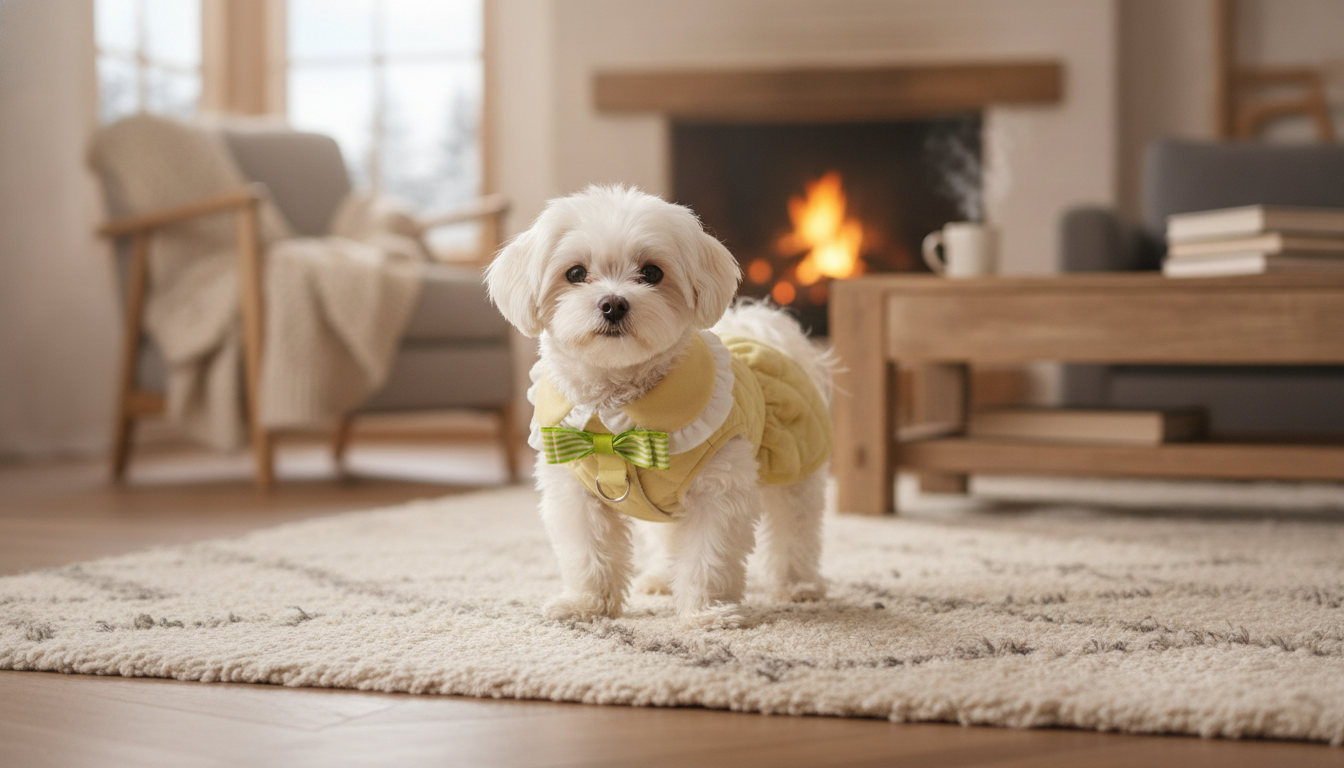
Cozy Winter Comfort for Small Dogs When Temperatures Drop
Cold-weather walks can be tough on small dogs, especially in wind, damp air, and sudden temperature drops. A cotton dog dress with a thick, down-style padded jacket layer helps add warmth while keeping movement comfortable for daily potty breaks, neighborhood strolls, and quick trips outside. When the goal is fewer shivers and more confident steps, a cozy outer layer can make winter routines feel much easier for both pets and people.
If your dog tends to freeze on the first gust of wind or hesitates on cold sidewalks, a warm, well-fitting coat can help maintain body heat and reduce that “I’m done” moment two minutes into a walk. For general cold-weather safety reminders, see guidance from the American Kennel Club and the AVMA.
Why small dogs need extra warmth in winter
Small breeds often feel winter more intensely than medium or large dogs. Even in “not that cold” weather, quick trips outside can be uncomfortable when wind, wet air, and cold pavement stack the odds against them.
- Small bodies lose heat faster, and short legs place them closer to cold ground, slush, and icy surfaces.
- Thin coats, low body fat, and senior age can make dogs more sensitive to chilly air.
- Wind and dampness often feel colder than the thermometer suggests, especially during short outdoor stops.
- A warm outer layer can reduce shivering and help keep muscles looser on walks.
What makes this cotton dress-style jacket practical
A winter coat for a small dog works best when it’s warm without being bulky, and secure without feeling stiff. A dress-style silhouette can add coverage while keeping the overall feel light enough for everyday use.
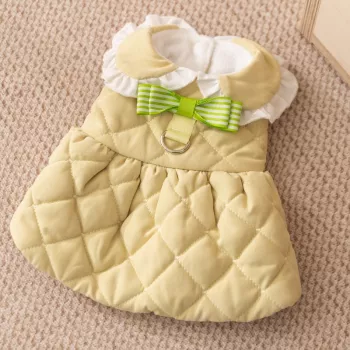
- Dress silhouette adds coverage while keeping a lightweight feel for small breeds.
- Thick padded construction supports warmth for brisk walks and outdoor errands.
- Cotton-forward comfort helps reduce a scratchy feel around the chest and shoulders.
- Designed for small dogs where bulkier coats can limit mobility.
For a cozy, cold-weather option made for small dogs, see Cozy Winter Cotton Dog Dress – Thick Warm Down Jacket for Small Dogs.
Warmth features to look for in a winter dog coat
Not all “warm” dog coats wear the same. The best choice typically balances insulation, coverage, and comfort at common friction points (neck, shoulders, and underarms), while staying easy to put on before a quick potty break.
- Insulation thickness: enough loft to trap heat without restricting steps.
- Chest and belly coverage: helps protect areas that cool quickly during stops.
- Neck/shoulder comfort: reduces rubbing when the dog pulls or turns.
- Secure closures: keeps the coat positioned correctly during play and sniffing.
- Easy on/off: important for dogs that dislike long dressing routines.
Winter coat checklist for small dogs
| Feature | Why it matters | What to check before buying |
|---|---|---|
| Padded insulation | Traps warm air close to the body | Even loft across back and sides; not overly stiff |
| Soft inner feel | Helps prevent irritation and matting | Smooth seams near armpits and chest |
| Belly coverage | Reduces chill from wind and wet sidewalks | Coverage without restricting potty breaks |
| Stable fit | Prevents twisting or sliding during walks | Snug at chest; comfortable at neck and shoulders |
| Care simplicity | Winter gear gets muddy and salty | Clear washing guidance and quick drying |
Sizing and fit tips for a comfortable walk
Warmth only helps when the coat stays in the right place. If it twists, gaps open up along the chest or belly; if it’s too tight, it can restrict shoulder movement and shorten your dog’s stride.
- Measure chest girth first; it’s usually the most important dimension for small dogs.
- Measure back length from the base of the neck to the start of the tail for proper coverage.
- If between sizes, choose the option that fits the chest comfortably while avoiding a loose neckline.
- Check movement: the dog should be able to sit, trot, and turn without the coat riding up.
- Keep harness and leash setup in mind; ensure the coat doesn’t bunch under straps.
A simple at-home test: put the coat on, clip the leash, and do a few hallway laps. Watch for shoulder freedom and whether the hem stays centered. After the first outing, check under the arms and at the chest for any redness that could signal rubbing.
When to use a thick winter jacket versus lighter layers
Winter weather changes fast. Some days call for a truly insulated outer layer; other days are mild enough that a lighter option is more comfortable—especially for energetic dogs that warm up quickly.
The ASPCA’s cold weather tips are a helpful reminder that exposure can add up quickly—especially for small dogs during repeated short trips outside.
Care, cleaning, and keeping the coat fresh
A cozy option for gifting and everyday winter routines
More in-stock finds
- Girls Winter Warm Jogger Pants with Elastic Waist
- Retro Linen Quick-Dry Bath Mat with Non-Slip Rubber Backing
- Vintage Embossed Glass Storage Jar with Airtight Seal – 23.7 oz
FAQ
How do you know if a small dog is too cold on a walk?
Common signs include shivering, lifting paws, slowing down, tucking the tail, or repeatedly looking up to be carried. Shorten the walk and add a warm coat; contact a vet if your dog seems lethargic, unusually weak, or unwell.
Should a winter dog jacket cover the belly?
Yes—belly coverage helps block wind and chill from cold, wet sidewalks. The jacket should still allow comfortable potty breaks and should not rub the armpits or restrict leg movement.
How tight should a dog coat fit?
A good fit is snug but not restrictive; a simple guideline is fitting two fingers comfortably at the chest and neck while keeping the shoulders free. The coat shouldn’t twist during walking, and it’s smart to check for rubbing after the first few wears.










Leave a comment