Deshedding Brush for Cats & Dogs: Less Fur, Fewer Tangles
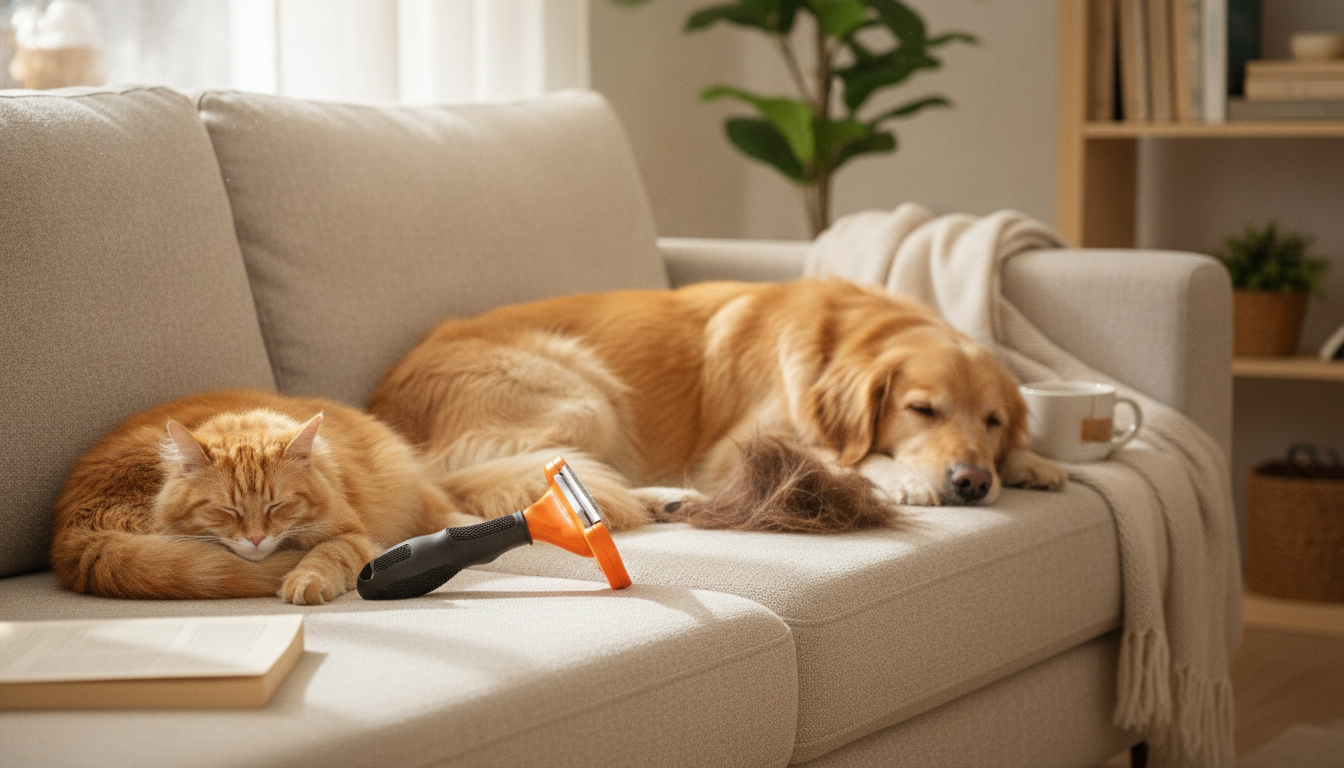
Pet Deshedding Brush for Cats & Dogs That Lifts Loose Hair and Tackles Tangles
Seasonal shedding and everyday coat upkeep can quickly turn into fur on furniture, mats behind the ears, and uncomfortable pulling during grooming. A well-designed deshedding brush helps lift loose undercoat hair, smooths through light tangles, and supports a cleaner home—without making grooming stressful for cats or dogs. This guide covers when deshedding helps, how to use the brush comfortably, and what results to expect across different coat types.
What a Deshedding Brush Does (and What It Doesn’t)
A deshedding brush is built for routine coat maintenance—especially the hair that’s already loose and ready to come out. Used correctly, it can make a noticeable difference in how much fur ends up on floors, bedding, and clothing.
- Lifts loose, ready-to-shed hair from the coat so it doesn’t end up on floors, bedding, and clothing.
- Helps separate and loosen minor tangles before they tighten into mats, especially around the neck ruff, chest, behind ears, and tail base.
- Supports healthier-looking coats by reducing packed undercoat that can trap debris and moisture.
- Does not replace a dematting tool for severe mats; tight mats often need careful trimming by a professional groomer or veterinarian guidance.
- Does not stop shedding entirely—regular sessions reduce the amount of loose hair released between grooms.
Quick Coat-Type Guide for Deshedding Sessions
| Coat type | Common problem areas | Suggested session length | How often to start | Notes for comfort |
|---|---|---|---|---|
| Short, dense coat (many labs, some shorthair cats) | Back, sides, hips | 3–5 minutes | 2–3x per week | Use light pressure; stop if skin looks pink |
| Double coat (many spitz breeds, shepherd types) | Ruff, hindquarters, tail base | 5–10 minutes | 3x per week during heavy shed | Work in small sections; avoid repetitive strokes on one spot |
| Medium/long coat (collies, longhair cats) | Behind ears, armpits, belly, feathers | 5–8 minutes | 2–3x per week | Detangle gently first; never yank through knots |
| Curly/wavy coat (poodle mixes) | Legs, chest, collar line | 3–6 minutes | 1–2x per week | Focus on surface loose hair; mat-prone coats need comb checks |
Why Loose Hair Turns Into Tangles and Mats
Tangles often start small—then tighten when the coat rubs, twists, and compresses. The most common culprit is shed undercoat that never fully releases.
- Shed undercoat can stay trapped in the topcoat, twisting into small knots with movement and friction.
- Collars, harness straps, and bedding create repeated rubbing that accelerates tangling in high-friction zones.
- Humidity or frequent wet coats can make hair clump and tighten faster, especially in longer or finer coats.
- Skipping regular brushing allows small tangles to compress into mats that pull on skin and can hide irritation.
- Early, gentle deshedding helps remove the “raw material” that tangles feed on.
For broader grooming best practices, these guides are helpful: American Kennel Club – Dog Grooming Tips, ASPCA – Cat Grooming, and VCA Animal Hospitals – Grooming and Skin/Coat Care (Dogs).
How to Use the Pet Deshedding Brush Comfortably
Comfort is the difference between a quick routine and a pet that dodges the brush. Aim for light pressure, short sessions, and a predictable order.
Best Times to Deshed (Seasonal and Weekly Routines)
Safety Checks: Skin, Ears, and Sensitive Zones
What to Expect After a Few Sessions
Product Spotlight: Pet Deshedding Brush for Cats & Dogs
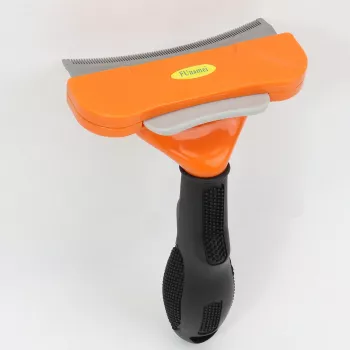
For everyday coat upkeep, the Pet Deshedding Brush for Cats & Dogs – Removes Loose Hair & Tangles is designed to lift loose hair and help manage light tangles during regular brushing sessions. It’s especially useful when you want a simple routine—short, frequent passes that reduce fur around the home without turning grooming into a long project.
At-a-Glance Details
| Item | Details |
|---|---|
| Product | Pet Deshedding Brush for Cats & Dogs – Removes Loose Hair & Tangles |
| Price | $9.51 |
| Availability | In stock |
| Best for | Regular removal of loose hair and helping with minor tangles |
Helpful Add-On for a Neater Routine
Keeping grooming supplies organized can make short sessions easier to stick with. The Vintage Embossed Glass Storage Jar with Airtight Seal – 23.7 oz is a handy way to store pet treats for brushing breaks or small grooming essentials so they’re always within reach.
FAQ
How often should a cat or dog be deshed?
Start with 2–3 short sessions per week for most short or long coats, and increase to about 3 times per week during heavy seasonal shedding for many double-coated pets. Keep sessions brief (a few minutes) and adjust based on how much loose hair comes out and how your pet’s skin looks.
Can a deshedding brush remove mats?
A deshedding brush can help loosen light tangles early, but it isn’t meant to pull out tight mats close to the skin. For firm mats, avoid yanking (it can hurt and damage skin) and consider a dematting tool or professional grooming support.
Why does my pet hate brushing even with a gentle routine?
Common reasons include brushing too hard, focusing on sensitive zones (belly, armpits, behind ears), a dry/static coat, or a past painful experience with mats. Rebuild tolerance with very short sessions, calm handling, and rewards; if your pet seems painful to touch, a veterinary check is a safer next step.








Leave a comment