Hydroponic Tower Kit: Grow Fresh Greens in Tight Spaces
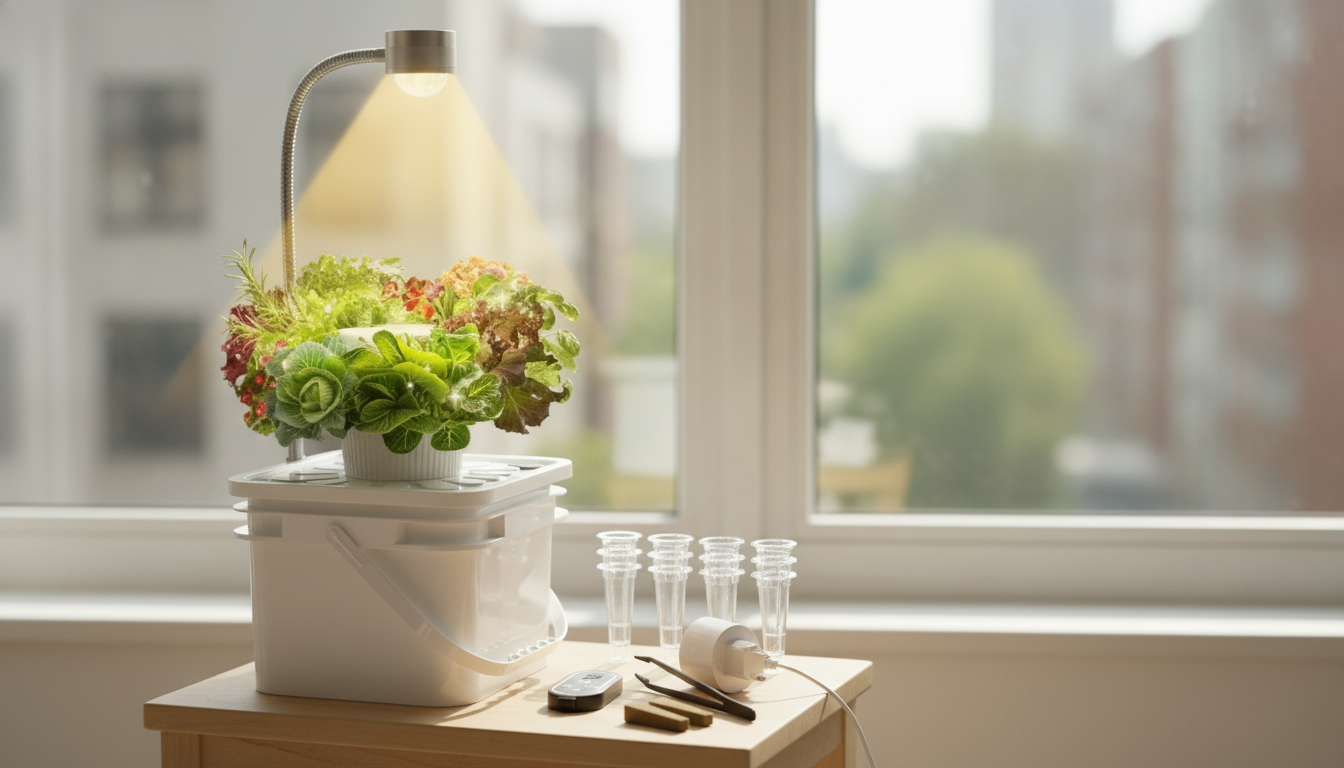
Hydroponic Tower Garden Kit for Fresh Greens in Small Spaces
A tower-style hydroponic system makes it possible to grow leafy greens, herbs, and compact fruiting plants with minimal floor space and less mess than soil. With water and nutrients recirculating from a base reservoir to the top of the column, plants get consistent moisture and oxygen while staying neatly contained. This guide breaks down how a tower hydroponic kit works, what to set up on day one, how to keep it running smoothly, and which plants tend to thrive in a vertical system.
What a Tower Hydroponic System Does
A hydroponic tower is a vertical column with multiple plant sites that share a single reservoir. A small pump sends nutrient solution up to the top and it trickles back down, bathing roots and returning to the base for reuse.
- Circulates nutrient-rich water through a vertical column so plant roots can absorb water, oxygen, and minerals efficiently
- Uses vertical planting sites to increase growing capacity per square foot compared with traditional pots
- Helps reduce common soil issues like fungus gnats, muddy spills, and inconsistent watering
- Works indoors or outdoors depending on lighting and temperature control
For background on the basics of hydroponics and recirculating systems, see the USDA National Agricultural Library overview and the University of Florida IFAS Extension hydroponics resources.
What’s Typically Included in a Hydroponic Tower Garden Kit
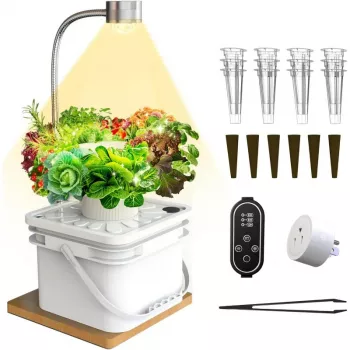
Most kits focus on the essentials: a stable base reservoir, a tower body with multiple planting pockets, and the pump/tubing that keeps water moving. Some also include net cups and starter media, while nutrients, seeds, timers, and lights may be sold separately.
- Tower body/column with multiple planting pockets or openings
- Water reservoir base designed for recirculation
- Small pump and tubing to move solution to the top and back down
- Planting cups/net pots and sometimes starter sponges or baskets
- Basic instructions for assembly, initial fill, and recommended run schedule
- Common add-ons (may be separate): nutrients, pH test strips, timers, grow lights, and seeds
Core components and what each one affects
| Component | Why it matters | What to look for |
|---|---|---|
| Reservoir base | Stabilizes water level and houses the pump | Easy-to-clean access, opaque material to limit algae |
| Pump + tubing | Moves solution up the tower for even feeding | Quiet operation, adequate flow rate, reliable fittings |
| Plant sites/net cups | Hold plants while roots grow into the stream | Secure fit, enough room for root mass, easy removal |
| Tower column | Determines capacity and spacing | Sturdy build, smooth interior flow path, modular sections if available |
| Timer (optional) | Automates watering cycles | Simple intervals, backup memory, safe indoor rating |
Setup Checklist Before the First Planting
A smooth start prevents the most common early frustrations: leaks, uneven flow, or seedlings that stall out. Plan your location, lighting, and water prep before you plant.
- Pick a location: choose a flat surface with easy access to power and enough headroom for the full tower and mature plants
- Plan light: strong window light may work for herbs and greens; for consistent indoor results, use a full-spectrum grow light positioned to cover the full height
- Use clean water: start with filtered or low-mineral water when possible to simplify pH and nutrient management
- Mix nutrients correctly: follow label directions, then adjust pH into the typical hydroponic range (commonly ~5.5–6.5 depending on nutrient line)
- Run a brief leak/flow test: circulate water 15–30 minutes to confirm even distribution and no dripping at connections
- Start seedlings separately or in-place: seedlings with established roots reduce early failures
If you want a single, contained starter setup for greens and herbs, a dedicated kit like the Hydroponic Tower Garden Kit keeps watering centralized so daily care is mostly check-and-top-off rather than juggling multiple pots.
Plant Choices That Do Well in a Vertical Tower
Vertical towers shine with quick crops and frequent harvesting. The best performers are plants that stay compact, tolerate regular trimming, and don’t demand heavy trellising.
Daily and Weekly Care Routine
After harvest, keep greens and herbs crisp by storing them dry and sealed. An airtight container like the Vintage Embossed Glass Storage Jar with Airtight Seal – 23.7 oz is a handy option for pantry storage of dried herbs or for keeping small garden accessories organized.
Troubleshooting Common Problems
Safety, Cleaning, and Food Quality Tips
Hydroponic growing has even been explored in controlled environments for space-related research and spinoffs; for a broader look at that angle, see NASA’s hydroponics-related Spinoff search page.
Is a Tower Kit a Good Fit for the Space and Budget?
FAQ
How often does a hydroponic tower need to run the pump?
Many towers run continuously for steady oxygenation and even feeding, while others do well on a cycling schedule (for example, 15 minutes on/45 minutes off). A safe starting point is longer run time for young seedlings and warm conditions, then adjust if roots look too dry (increase run time) or the reservoir warms excessively (consider cycling and improving airflow).
What can be grown in a hydroponic tower system?
Leafy greens and herbs are the easiest and most reliable choices, and strawberries often do well once established. Fruiting crops like dwarf peppers or cherry tomatoes can work, but they typically require stronger, full-height light coverage and enough spacing to prevent crowding.
How do pH and nutrients get managed in a tower garden?
Mix nutrients according to the label, measure pH, and adjust slowly into the range commonly used for hydroponics (often about 5.5–6.5, depending on the nutrient line). Top off with water to keep the reservoir level stable, and replace the full solution every 2–4 weeks (sooner if plants are heavy feeders or water is hard).









Leave a comment