2-Speed Electric Meat Grinder for Baby Food Textures
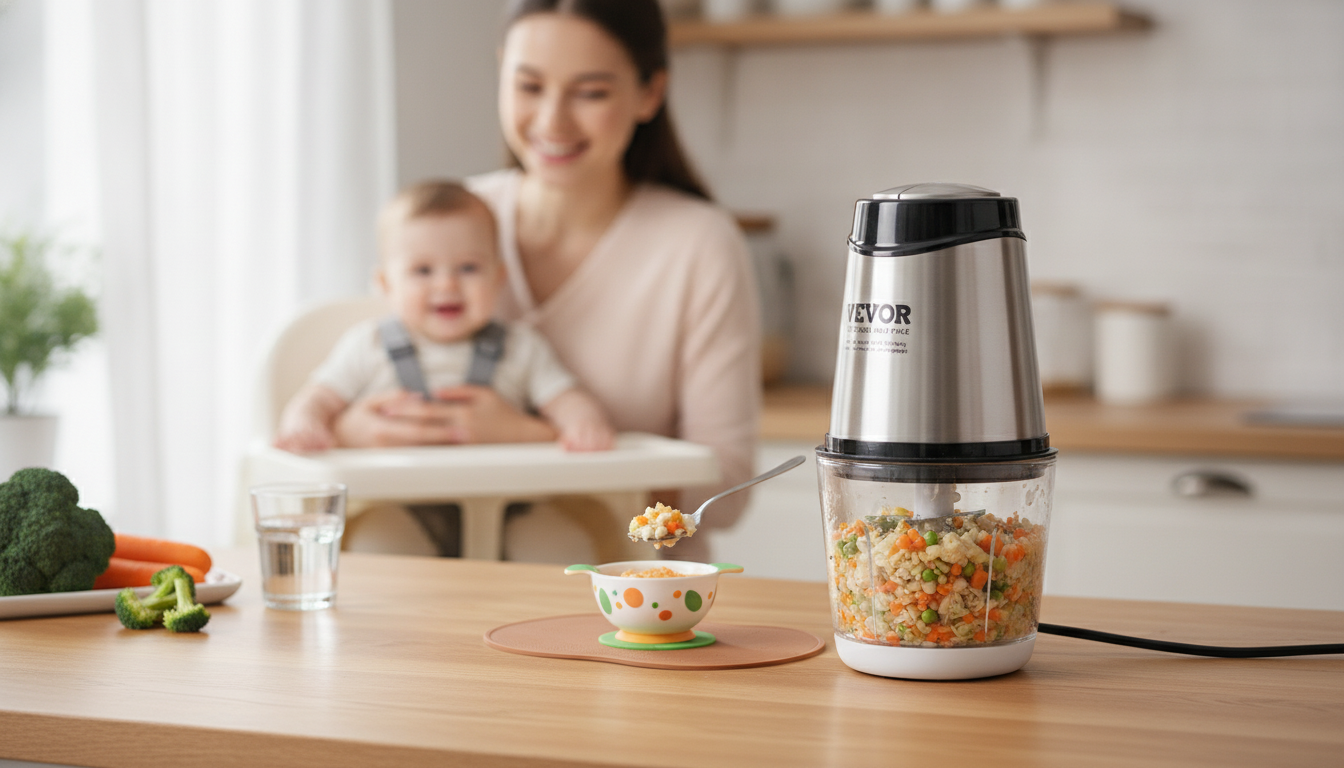
Electric Meat Grinder with Stainless Steel Blades & 2 Speeds for Baby Food
Preparing smooth purées and thicker, textured blends at home gets easier when a grinder can switch speeds, stay sharp, and clean up fast. Two-speed control helps fine-tune texture as your baby’s feeding skills change, while stainless steel blades support consistent results across soft fruits, steamed vegetables, and cooked proteins. Below is a practical guide to what these features mean for baby-friendly textures, safe handling, and everyday meal prep.
What a 2-speed grinder adds to baby food prep
A two-speed grinder brings flexibility that’s hard to replicate with a single on/off appliance. Instead of pushing everything into one “blended” outcome, the extra control helps you match texture to your baby’s stage and to the ingredients you’re working with.
- Texture alignment for feeding stages: use faster processing for smoother early purées, and gentler processing for chunkier blends as babies practice moving food and chewing.
- Fewer tools on the counter: one appliance can handle finely minced cooked meats, vegetable blends, and soft ingredient mixing without constantly switching devices.
- Less over-processing: a low speed and short runs help avoid turning foods into a thin, watery paste—especially helpful for naturally moist produce.
- Batch cooking support: prepare multiple small portions at once, then refrigerate or freeze so weekday meals are faster.
Stainless steel blades: why they matter for consistency and maintenance
Blade performance directly affects texture. When blades are sharp, they cut cleanly; when they’re dull, they tend to mash and smear—often leaving uneven bits behind. Stainless steel blades are popular for baby food prep because they’re designed for frequent contact with moisture and repeated washing.
- Longer-lasting sharpness: stainless steel typically holds an edge well compared with many coated alternatives, helping produce a more uniform mince.
- Corrosion and stain resistance: especially useful when processing moist foods like cooked poultry, fish, steamed vegetables, and fruit.
- Easier cleanup and fewer odors: when rinsed soon after use and dried thoroughly, stainless steel components are less likely to hold lingering smells.
- More consistent texture: sharp blades help avoid the “mushy outside, chunky inside” effect that can happen with softer ingredients.
Using speed settings to control texture (smooth to chunky)
Speed control is most useful when it’s paired with simple technique: short bursts, appropriate moisture, and small batches. That combination helps you get repeatable results—whether you’re aiming for silky purées or soft, textured blends.
Quick texture cues
- Low speed: best for gentle mincing and controlled chopping of soft cooked foods; helpful for thicker blends.
- High speed: best for faster breakdown and smoother results; ideal for early-stage purées when paired with a little cooking liquid.
- Pulse-style bursts: short runs help prevent overheating and give better control over chunk size.
- Moisture matters: add small amounts of cooking water, unsalted broth, or other appropriate liquid to reach the consistency you want without flooding the mix.
- For meats: start with cooked, cooled, diced pieces; process in small batches so texture stays even.
Speed guide for common baby-food textures
| Food type | Recommended speed | Prep tip | Texture result |
|---|---|---|---|
| Cooked chicken/turkey | Low → brief High | Dice small; add a spoon of cooking liquid if needed | Fine mince to smoother blend |
| Cooked beef | Low + short pulses | Trim fat/gristle; process smaller batches | More even mince, less smearing |
| Steamed carrots/squash | High | Steam until very soft; drain well | Smooth purée |
| Steamed peas/green beans | High | Steam thoroughly; consider straining for very early stages | Purée with some fiber |
| Soft fruits (banana/avocado) | Low | Add last; avoid over-processing | Creamy mash-like blend |
| Mixed meals (veg + meat) | Low → High | Combine after each component is partly processed | Balanced texture, fewer large bits |
Safe prep and food-handling practices for baby meals
When preparing baby meals, texture is only half the job—safe handling matters just as much. Keep these habits consistent, especially when working with proteins and leftovers.
For additional guidance, refer to authoritative food safety resources from the CDC and leftover storage basics from USDA FSIS. For feeding-stage milestones, the American Academy of Pediatrics offers helpful starting points.
What to look for when choosing a grinder for baby food
Product spotlight: Electric Meat Grinder with Stainless Steel Blades & 2 Speeds
If two-speed control and consistent cutting are priorities, the Electric Meat Grinder with Stainless Steel Blades & 2 Speeds for Baby Food is built around those essentials. The two-speed design helps shift between smoother purées and thicker, more textured blends, while stainless steel blades support more even processing for cooked meats and soft produce.
Cleaning and storage routine that keeps flavors fresh
For pantry-style organization and an airtight seal for dry ingredients or kitchen odds and ends, the Vintage Embossed Glass Storage Jar with Airtight Seal – 23.7 oz can help keep prep areas tidy and flavors protected.
FAQ
Can an electric meat grinder be used to make smooth baby purees?
Yes—use fully cooked or very soft ingredients, run on high speed in short bursts, and add small amounts of cooking liquid to reach a smooth consistency without making it watery.
Is stainless steel better than other blade materials for baby food prep?
Stainless steel typically offers strong corrosion resistance and good edge retention, which helps produce more consistent textures and makes cleanup easier when washed and dried promptly.
How should baby food made with a grinder be stored?
Cool food quickly, refrigerate in small airtight containers for short-term use, or freeze in single portions. Reheat thoroughly, stir well, and check temperature before serving.












Leave a comment